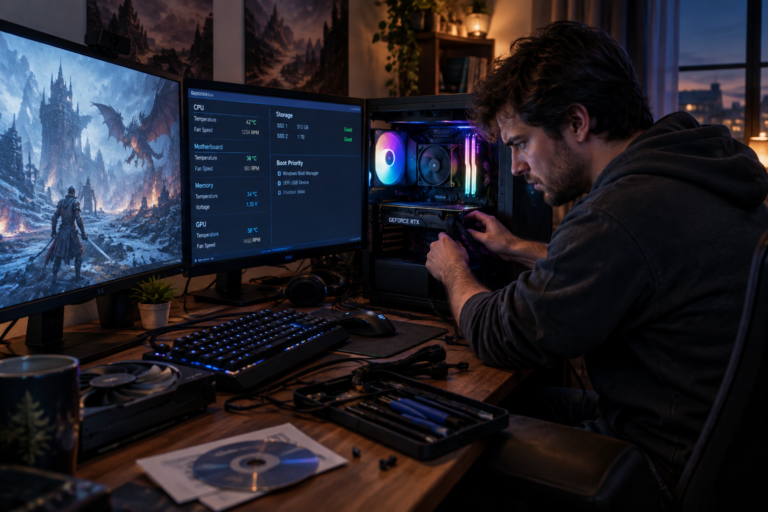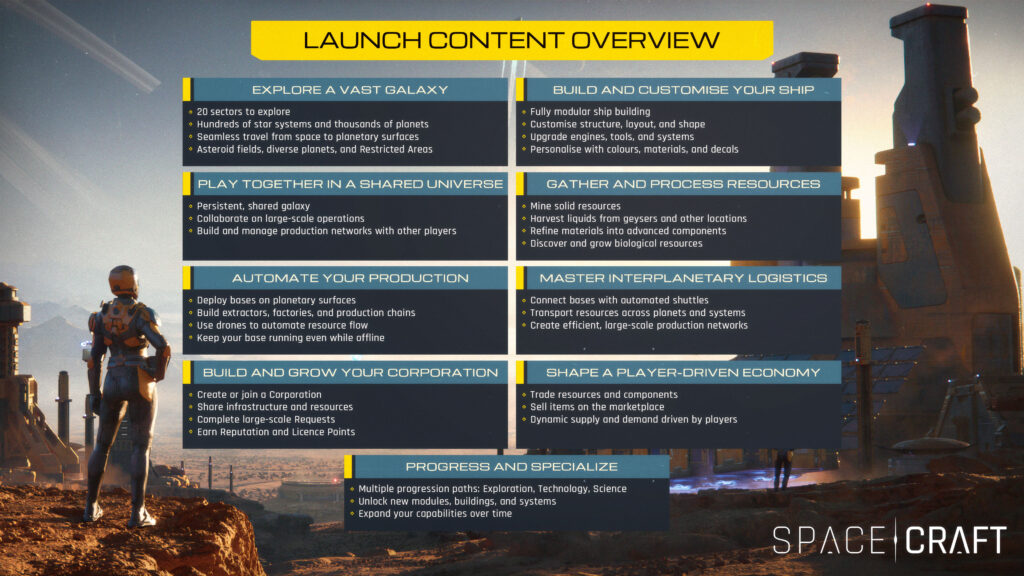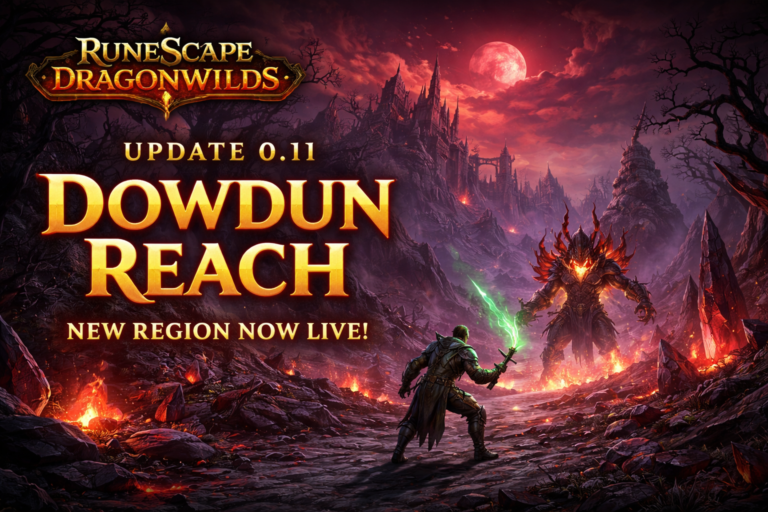
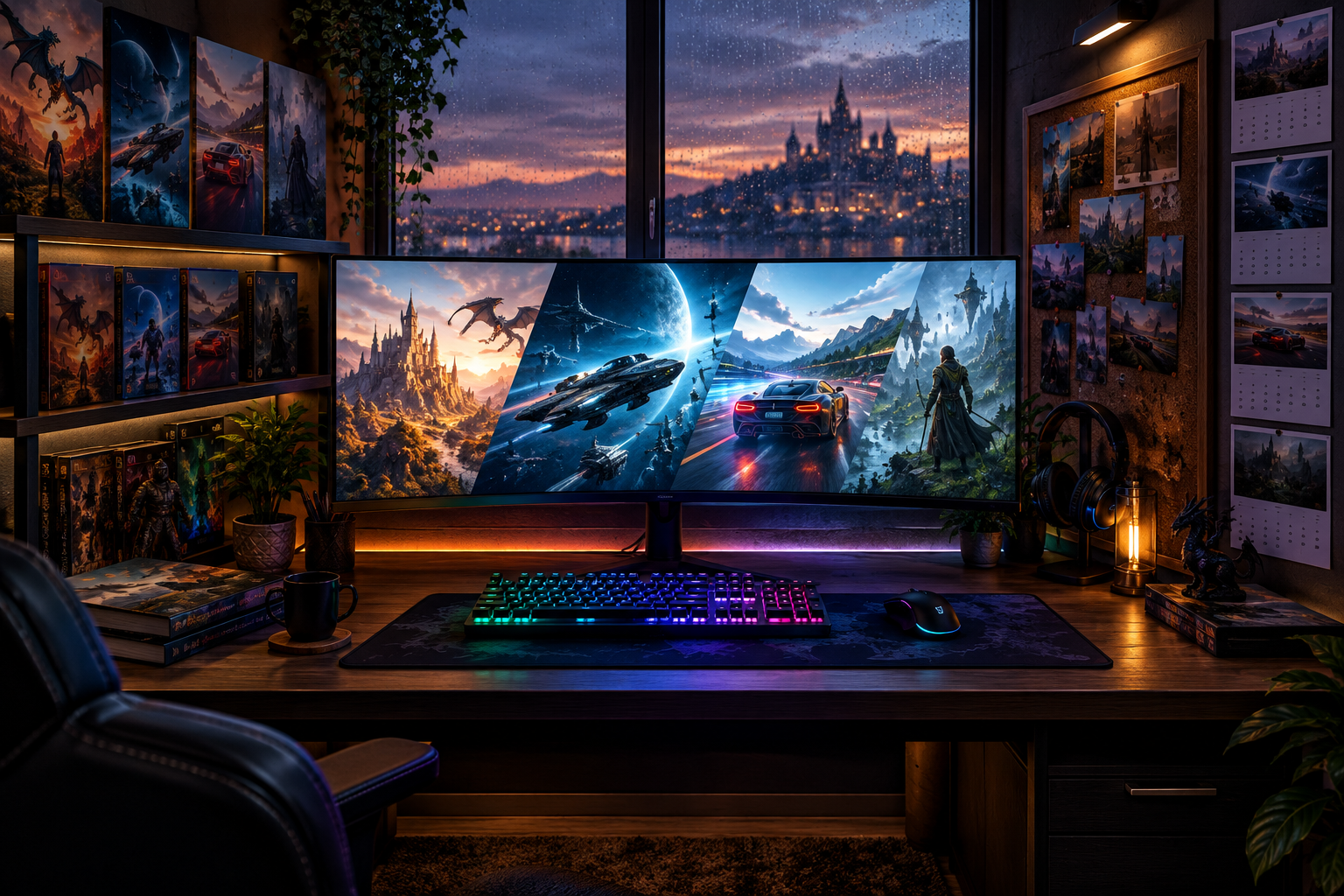
PC gaming setup highlighting major upcoming releases this season
Every season brings a fresh wave of anticipation for PC players, but this one feels especially packed. Across blockbuster sequels, ambitious new IPs, competitive shooters, sprawling RPGs, and visually stunning action games, the release calendar is full of titles that could shape the conversation for months to come.
For PC gaming fans, that matters for more than simple hype. New releases often push hardware harder, introduce fresh technical features, and redefine what players expect from performance, mod support, online communities, and long term replay value. If you are deciding what to wishlist, preorder carefully, or simply track before launch day, these are the biggest PC gaming releases to watch this season and the reasons they deserve your attention.
Why this season matters for PC players
PC gaming has entered a phase where major releases are no longer treated as secondary versions of console launches. In many cases, the PC edition is now central to a game’s identity, whether because of high frame rate support, ultrawide compatibility, mouse and keyboard precision, extensive graphics options, or post launch modding potential. That shift makes each release season more significant than ever.
Another reason this season stands out is the growing importance of technical expectations. Players now look beyond genre and franchise recognition. They want to know whether a game supports DLSS, FSR, XeSS, frame generation, ray tracing, robust accessibility options, and smooth performance across a range of hardware. Developers are under pressure to deliver not just exciting worlds and gameplay systems, but polished PC optimization as well.
This season also reflects how broad the PC audience has become. Competitive players are watching multiplayer launches for server stability, anti cheat systems, and input responsiveness. RPG fans are evaluating story depth, build variety, and open world density. Simulation and strategy fans want scale, customization, and long term support. Because the PC platform supports all of these tastes so well, a busy release season can feel like a major event across the entire gaming ecosystem.
What makes a release worth watching
Not every high profile launch becomes a must play game, and not every smaller release should be ignored. When looking at the biggest PC gaming releases of the season, it helps to judge them on a few core factors.
Technical ambition
One of the clearest signs that a game deserves attention is how much it aims to push the platform. Some titles stand out because they feature advanced lighting, dense open worlds, large scale physics, or detailed character systems. Others matter because they are built to scale well across different machines, making them more accessible to a broader audience.
Modern graphics technologies are a major part of that conversation. If a game is built around advanced rendering features, it may benefit from upscaling and frame generation techniques that are becoming standard across major PC releases. Concepts like image reconstruction and performance scaling are easier to understand when viewed through resources such as graphics feature support in modern Windows APIs, which show how rapidly the technical baseline has evolved for PC gaming.

Franchise momentum
Sequels and established series still command attention for good reason. A new entry in a major franchise usually arrives with built in expectations around gameplay quality, world design, and community engagement. If the previous game built a strong following, the next release can become one of the defining launches of the season almost automatically.
Community potential
PC games often live or die by their communities. A title with strong cooperative systems, competitive depth, or moddable infrastructure can stay relevant long after release. Watching a game’s Discord activity, creator interest, and early feedback from preview events can help indicate whether it has the kind of momentum that lasts.
Post launch roadmap
Seasonal support, expansions, balance patches, and content updates can significantly increase a game’s value. For multiplayer and live service releases in particular, what happens after launch may matter as much as the launch itself. A promising roadmap can turn a solid release into a long term platform for players.
The blockbuster sequels likely to dominate attention
Every season has a few giant names that naturally rise above the rest. These are the games most likely to dominate storefront charts, livestream coverage, and social media discussion. On PC, they also tend to become benchmarks for performance testing and hardware comparisons.
Big action RPG sequels
Action RPGs remain one of the safest bets for broad appeal on PC. When a major sequel arrives in this genre, it usually combines cinematic storytelling, deep progression systems, and exploration heavy design that suits long sessions at a desk. Players want richer worlds, smarter enemy behavior, more expressive combat, and meaningful character builds.
The biggest upcoming action RPGs this season are worth watching for another reason as well: they often reveal how much developers have learned from recent criticism of open world bloat. The strongest releases are no longer judged only by map size. They are judged by density, pacing, quest quality, and whether exploration feels rewarding rather than repetitive.
On PC, these games also benefit from the platform’s flexibility. Players can fine tune controls, adjust visual settings for either image quality or frame rate, and often revisit the experience later through mods that expand the game’s lifespan. That makes any major action RPG sequel a particularly important release in the PC space.
High budget shooters
Shooters remain central to the PC market, especially when they launch with strong multiplayer support or a cinematic campaign. This season’s biggest shooter releases are likely to be judged on three things immediately: gun feel, netcode, and optimization.
PC players are especially sensitive to input latency, frame pacing, and server quality. A shooter can look spectacular in trailers, but if it launches with stutter, inconsistent matchmaking, or poor anti cheat implementation, enthusiasm can drop fast. On the other hand, a polished release with excellent mouse aiming, customizable keybinds, and stable online play can become a staple for months or even years.
Watch closely for shooters that promise large scale battles, class based teamwork, or extraction style progression. These subgenres continue to evolve, and PC is often where they find their most dedicated audience.
Prestige single player adventures
There is still enormous appetite for polished single player games that prioritize atmosphere, storytelling, and handcrafted encounters. These releases may not always generate the same endless engagement metrics as multiplayer titles, but they often define a season’s critical conversation.
For PC players, the key question is whether these games arrive with strong ports. Features like ultrawide support, unlocked frame rates, granular graphics settings, and reliable shader compilation can make the difference between a celebrated launch and a disappointing one. A prestige adventure with excellent PC support often becomes the preferred version of the game.
New IPs that could become breakout hits
Established franchises bring familiarity, but new intellectual properties often generate the most interesting surprises. A strong new IP can reshape genre expectations and create momentum that carries well beyond a single season.
Original sci-fi and fantasy worlds
One of the most exciting parts of any release season is seeing whether a brand new world can break through in a crowded market. Original sci-fi and fantasy games have to work harder than sequels because they cannot rely on nostalgia. They need a compelling visual identity, a clear gameplay hook, and enough confidence in their worldbuilding to make players care quickly.
On PC, original worlds often gain traction when they support exploration and experimentation. If players can approach combat creatively, customize builds deeply, or uncover layered lore at their own pace, word of mouth tends to spread. These games also benefit from the platform’s enthusiast culture, where players enjoy analyzing systems, sharing discoveries, and pushing mechanics to their limits.
Genre hybrids
Some of the season’s most watchable releases are not pure RPGs, shooters, or strategy games. They are hybrids that blend mechanics in unusual ways. Think survival games with narrative depth, strategy games with action controls, or role playing games with social simulation elements.
These titles are especially important on PC because the audience is often more willing to embrace complexity. A hybrid game that might feel risky on other platforms can thrive on PC if it offers depth, strong interface design, and enough flexibility to support different playstyles. Keep an eye on games that seem difficult to categorize, because they are often the ones that generate the strongest long term communities.
The multiplayer releases with the most upside
Multiplayer launches can define an entire season if they capture attention early and maintain momentum. The biggest contenders are not always the most expensive or heavily marketed. Often, the winners are the games that combine clear design goals with technical stability and rewarding progression.
Competitive shooters and arena games
Fast, skill based multiplayer games continue to thrive on PC, where high refresh rate monitors and precise mouse controls offer obvious advantages. New competitive shooters this season will be measured against a demanding standard. Players expect low latency, readable maps, balanced weapons, and ranked systems that feel fair.

Another major factor is spectator appeal. Games that are easy to follow in clips, streams, and tournaments tend to spread faster. If a title produces exciting moments and gives players strong reasons to improve, it has a chance to become one of the season’s standout multiplayer releases.
Co-op focused games
Not every multiplayer success needs to be fiercely competitive. Cooperative games remain a huge part of the PC landscape, especially among friend groups looking for shared progression and replayable missions. Whether the format is tactical, survival based, horror themed, or loot driven, co-op titles can build loyal audiences if they make teamwork satisfying.
The best co-op releases usually offer scalable difficulty, distinct class roles or loadout options, and mission structures that stay fresh over time. Seasonal events and mod support can make them even more appealing on PC. If this season includes a co-op game with strong communication tools and a polished launch, it could become a sleeper hit that lasts far beyond its release window.
MMO and live service contenders
MMOs and live service games always attract attention, but they face intense scrutiny. PC players are experienced with content roadmaps, monetization models, and balance cycles. They can tell quickly when a game feels generous and sustainable versus manipulative and thin.
That does not mean new online worlds cannot succeed. It means they need to launch with enough substance to justify player investment. A strong endgame, healthy server architecture, and transparent update plans are essential. For games in this category, the first few weeks are critical. Population health, patch responsiveness, and community sentiment will reveal whether they are worth committing to.
Strategy and simulation games that deserve a closer look
While action heavy releases often dominate mainstream headlines, PC gaming would not be what it is without strategy and simulation. These genres remain deeply associated with the platform, and each season usually includes at least a few releases that strategy fans should monitor closely.
Grand strategy and 4X titles
Games centered on empire building, diplomacy, logistics, and long term planning continue to attract some of the most dedicated communities in PC gaming. New grand strategy and 4X releases are worth watching because they often evolve dramatically after launch through patches, expansions, and player feedback.
What makes a strategy game stand out this season is not just complexity. It is clarity. The best modern strategy games present enormous systems in ways that remain readable and approachable. Better tutorials, cleaner interfaces, and stronger onboarding can help these titles reach players who may have been intimidated in the past.
Management sims and city builders
Simulation fans are always looking for the next game that can absorb dozens or hundreds of hours. Whether the focus is city planning, transportation, colony management, or business optimization, these releases matter because they often become long term staples rather than short term distractions.
On PC, management sims benefit from mouse driven control, mod support, and the ability to handle larger, more detailed systems. A promising sim release this season should be judged on how well it balances depth with usability. Does it let players create elegant solutions? Does it support experimentation? Does it remain engaging after the opening hours? Those questions matter more than flashy trailers alone.
Technical features PC gamers should track before launch
For many players, the game itself is only part of the story. The quality of the PC version can determine whether a release is exciting on day one or better saved for later. That is why technical feature tracking has become a core part of seasonal release coverage.
Upscaling and frame generation
As visual fidelity rises, performance scaling tools have become increasingly important. Support for DLSS, FSR, or XeSS can dramatically improve playability on a wide range of systems. Frame generation can also help some players achieve smoother motion, though implementation quality varies from game to game.
These technologies matter because they influence buying decisions. A graphically demanding game may still be accessible if its upscaling options are well integrated and visually stable. Conversely, a title that relies too heavily on them without solid baseline performance may receive criticism.
Shader compilation and stutter reduction
One of the most common complaints in recent PC launches has been shader related stutter. Even excellent games can suffer if they hitch during traversal, combat, or cutscenes. Players should watch for preview coverage and technical analysis that addresses this directly.
Good shader management, precompilation options, and well optimized asset streaming can greatly improve first impressions. These details may sound minor, but they often shape whether a launch feels polished.
Display and input support
PC players expect flexibility. That includes ultrawide monitor support, high refresh rate compatibility, configurable field of view, remappable controls, and solid controller implementation. Accessibility features are equally important, including subtitle scaling, colorblind options, toggle inputs, and difficulty adjustments where appropriate.
Technical standards around display behavior and interactive software continue to evolve, and broader guidance on usability and interface design principles helps explain why these features matter so much for player experience. A game that respects different setups and needs has a better chance of earning strong word of mouth.
How to evaluate hype without getting burned
Release season excitement is part of the fun, but PC players have also learned to be cautious. Big promises do not always translate into strong launches. That makes it important to evaluate hype with a practical mindset.
Look beyond cinematic trailers
Trailers are designed to generate excitement, not answer detailed questions. The most useful material usually comes from extended gameplay demos, hands on previews, and direct footage showing menus, combat flow, exploration, and performance behavior. If a game looks exciting but little actual gameplay has been shown, that is worth noting.
Check system requirements carefully
Minimum and recommended specs do not tell the whole story, but they can reveal a lot. If requirements seem unusually high, it may indicate a demanding game engine or limited optimization. If they are vague, players should wait for more technical clarity.

It is also smart to compare official requirements with independent testing after launch. A game may technically run on older hardware while still delivering an unsatisfying experience. For PC players, nuance matters more than a simple yes or no.
Wait for performance impressions if needed
There is no rule saying every major release must be played immediately. In fact, some of the smartest buying decisions come from waiting a few days for patch notes, benchmark videos, and trusted impressions. If a game launches in rough shape, a short delay can save frustration and money.
Which types of players should watch which releases
Not every big game is big for every audience. One useful way to approach the season is by matching release types to player preferences.
For story driven players
Watch prestige adventures, cinematic action RPGs, and narrative heavy sci-fi or fantasy games. Focus on writing quality, worldbuilding, and whether the PC version supports immersive presentation through stable performance and visual customization.
For competitive players
Pay attention to shooters, arena games, and tactical multiplayer titles with strong ranked systems. Prioritize netcode, anti cheat measures, tick responsiveness, and community sentiment around balance.
For long term hobby players
If you want one game to dominate your free time for months, strategy titles, MMOs, management sims, and moddable RPGs are the best bets. Their value often grows over time, especially if developers support them consistently.
For hardware enthusiasts
Graphically ambitious action games and open world releases are usually the best showcases for new GPUs, CPUs, and display technology. These are the titles most likely to become benchmark favorites and visual talking points across the season.
What could define the season in the end
At the start of any release cycle, the biggest names seem like obvious winners. But PC gaming has a habit of producing surprises. A highly anticipated blockbuster may stumble because of technical issues, while a smaller game with sharp design and strong optimization can become the title everyone ends up talking about.
That unpredictability is part of what makes this season so compelling. There are major sequels that could meet or exceed enormous expectations. There are new IPs with a real chance to break through. There are multiplayer games that might build communities overnight, and strategy or simulation titles that could quietly become the most played games on many hard drives by the end of the year.
For players, the smartest approach is to stay informed, remain flexible, and judge each release on both ambition and execution. Watch the previews, study the technical details, and pay attention to early community feedback. The biggest PC gaming releases to watch this season are not just the ones with the loudest marketing. They are the games that combine excitement, craftsmanship, and strong PC support into experiences worth your time.
Whether you are chasing the next competitive obsession, preparing for a massive RPG journey, or hoping to discover a breakout new favorite, this season has the potential to deliver something memorable. For PC gaming as a whole, that is what makes the months ahead worth watching so closely.
For additional background on The Biggest PC Gaming Releases to Watch This, see The Biggest PC Gaming Releases to Watch This.
About the Author